


According to the Greeks, trees are alphabets. Of all the tree letters, the palm is loveliest. And of writing, profuse and distinct as the burst of its fronds, it possesses the major effect: falling back.

//
Where is your authentic body? You are the only one who can never see yourself except as an image.
//
Family without familialism.
//
Contemporaries?
//
From the past, it is my childhood which fascinates me most; these images alone, upon inspection, fail to make me regret the time which has vanished. For it is not the irreversible I discover in my childhood, it is the irreducible: everything which is still in me, by fits and starts; in the child, I read quite openly the dark underside of myself–boredom, vulnerability, disposition to despairs…inward excitement, cut off from all expression.
//
The mirror stage: «That’s you».
//
From generation to generation, tea: bourgeois sign and specific charm.
//
The family novel. Where do they come from? From a family of notaries in the Haute-Garonne. Thereby endowing me with a race, a class.
//
The garden [ ] was arranged in three symbolically different spaces (and to cross the boundary of each space was a significant action)…The worldly, the domestic, the wild: is this not the tripartition of social desire?
//
…only the images of my youth fascinate me. Not an unhappy youth, thanks to the affection which surrounded me, but an awkward one…So you will find here, mingled with the «family romance», only the body’s prehistory…For such is the theoretical meaning of this limitation: to show that the time of the narrative (of the imagery) ends with the subject’s youth…
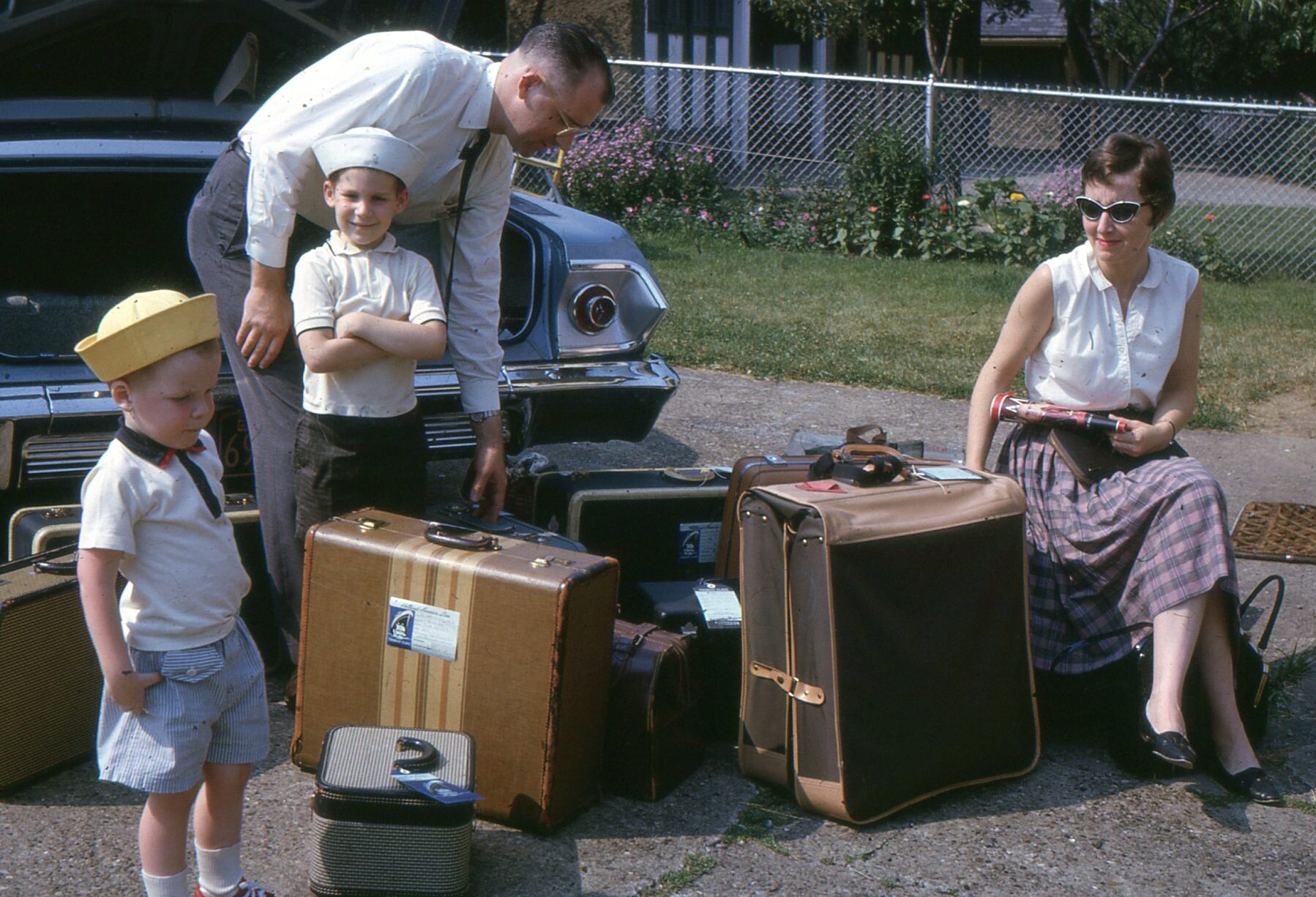
On the cover of the June 28, 1963 issue of Time magazine is Pope Paul VI.
co-narrator in italics
Roland Barthes by Roland Barthes, (1975, trans. Richard Howard: 1977), Roland Barthes